
A question I’m often asked, is why should I do Feldenkrais? Why is it useful?
To start to answer that, let’s start with another question.
What is health for you?
Our modern dictionary definition labels it “the absence of disease”. Not very positive, or heart warming!
Originally, the word healing itself comes from the old English “Haela”, to make whole. which in turn comes from the Nordic word “heila”. Clearly related to Hela, who was the powerful Norse goddess of death and disease. Her magic powers could give both life and death.
We can’t promise magic health in Feldenkrais. But we can offer a way of bringing ourselves back to wholeness.
Clinical medicine, by design divides into areas of interest. In reality we need all the different systems in ourselves to work together.
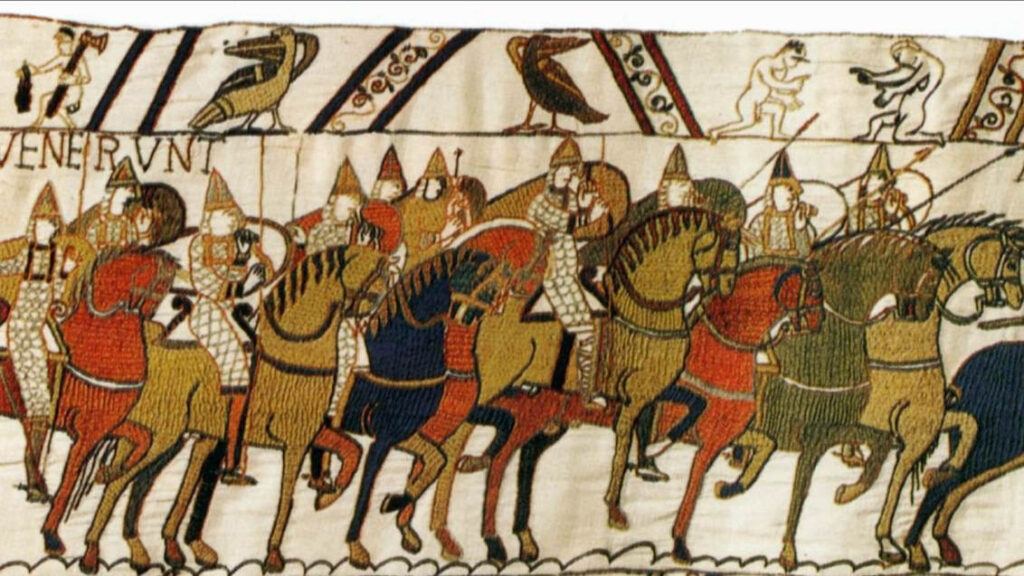
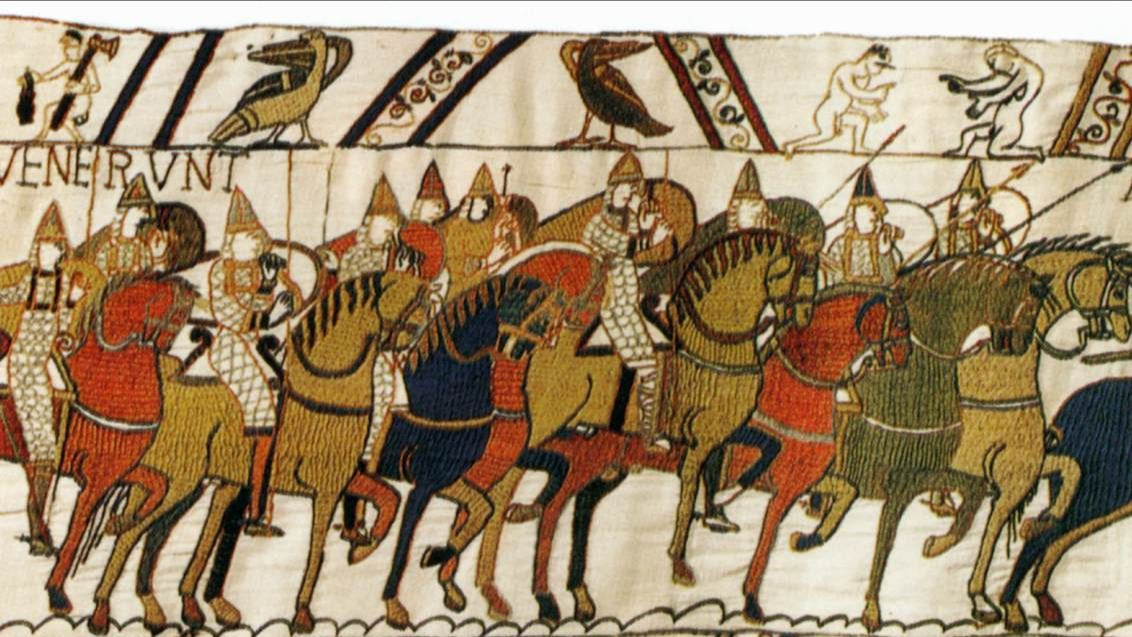
A woven tapestry of systems
One of my colleagues likened it to a complex woven garment. The different systems in us create their own patterns. it’s most beautiful when in harmony with each other.
Some years ago, I worked with an olympic swimmer who had incredible muscle tone. His muscle tone was so high touching his shoulders was like touching stone. He was incredibly strong. Great for the power swimming he wanted to do.
But he unable to soften and adapt his physique for life outside the swimming pool. His system was desperate to have an option of softness. Training since childhood meant it was difficult to think of softness as even desirable. But he was in pain, back pain, shoulder pain. Strengthening more wasn’t an option. Nor would it be useful. He wasn’t weak. He was strong, everywhere. Except in an ability to yield.
Our culture is so focused on strengthening, that sometimes it misses balance. Power is of course valuable, but not in a vacuum. Any area of us can be problematic from being too tight and hard, as much as being too “weak” or relaxed.
We need to think of the whole of us
If we focus on areas without thinking of the whole, we’re not going to get back to “health”. It will often be a temporary fix. It might take longer to work in this holistic way, it’s not a magic pill. Over time, making Feldenkrais into a regular practice, we can start to feel more agency. Life becomes easier, we can move more smoothly. We’re able to sense what we’re doing that’s not so useful. And supportive proprtional movement becomes more habitual.
We’re looking to first find where the imbalanced threads are. And then to bring them back into harmony with the rest of our tapestry. We can move the threads of ourself one way and another until we’re more in balance.
When we feel more whole we can sense more of what we have, rather than what we lack. The problems become proportional to the rest of us. Not in a Pollyanna way, but in a way that helps us sense and use the resources we do have.
In wholeness, not being perfect becomes less important.
What we can do moves more to the foreground. I know a lot about physical imperfection myself. I spent much of my childhood at Great Ormond Street Hospital. I was born with a cleft palate, and leg issues alongside. Every specialist I saw told me I’d be in a wheelchair at 30. I’m approaching 50 now. Twenty years of Feldenkrais has kept me moving and mobile.
I’ve learnt to connect with my whole body, to feel my skeletal system with clarity. With the improved sensitivity I’ve learnt, I’m able to compensate for the parts of my legs that don’t work as well. I’ve also learnt to listen to myself first. My self care has become more important. I don’t see it as indulgent, rather to make sure my own batteries are full before helping others. These days, I rest when I need to, rather than power through and pay for it later.
For most of my childhood, doctors concentrated on making my legs work “properly”. (Aka like everyone else). Doctors and physios changed my legs in isolation. I had a lot of operations, physio, daily forceful leg exercises. Leg splints in bed until I stopped growing. I didn’t get straighter legs, (or much sleep!) but I do have a high pain threshold!
When I discovered Feldenkrais I was nearing 30. After one lesson I walked out on what felt like someone else’s legs. It felt extraordinary. We walk the way we always have. Until we learn something better.
I had already realised that I needed something to help. I could see if I didn’t do anything it would only get worse. So I had tried various modalities up to then. I tried Alexander Technique, Martial arts, yoga. Culminating in a moment where a yoga teacher shamed me for who I was. I wasn’t allowed in her class as I wouldn’t look “beautiful”. Don’t worry, I know that’s not normal.
Being accepted for you
And then I stumbled across Feldenkrais, a method where I was accepted for who I already was. A method where I become more of who I am, not less. Where exploration led to new ideas and movement, rather than more inhibition. It was amazing. It was then I realised this was the way for me. To hone everything around what didn’t work well, until as a whole, I was moving, moveable.
I’m pleased to say most of the time I move normally. I go dancing, I run for the bus. You wouldn’t know I’d been given such a life sentence. I spent enough time in wheelchairs as a child to know that I didn’t want that, except as a last resort. It’s why I’m so positive about Feldenkrais. I know what it can do. And not just for me, but for others who choose to practice it.
Not to say there’s not room for improvement. I’m still a work-in-progress after all, like most of my own knitting projects!