

This week I’m in very hot and humid Palermo on another segment of ChildSpace – a Feldenkrais based course on early child development. It’s great to have a change of scene, (and great coffee), and to be surrounded by some lovely colleagues. The work is really beautiful, and uses play as a base to observe and then help a baby or child develop their movement skills.
We don’t think of it as a practice. But learning to walk took us all many steps to achieve. And along the way, if we had a good experience we had a range of ways to sit, to come up to standing, to creep or crawl.
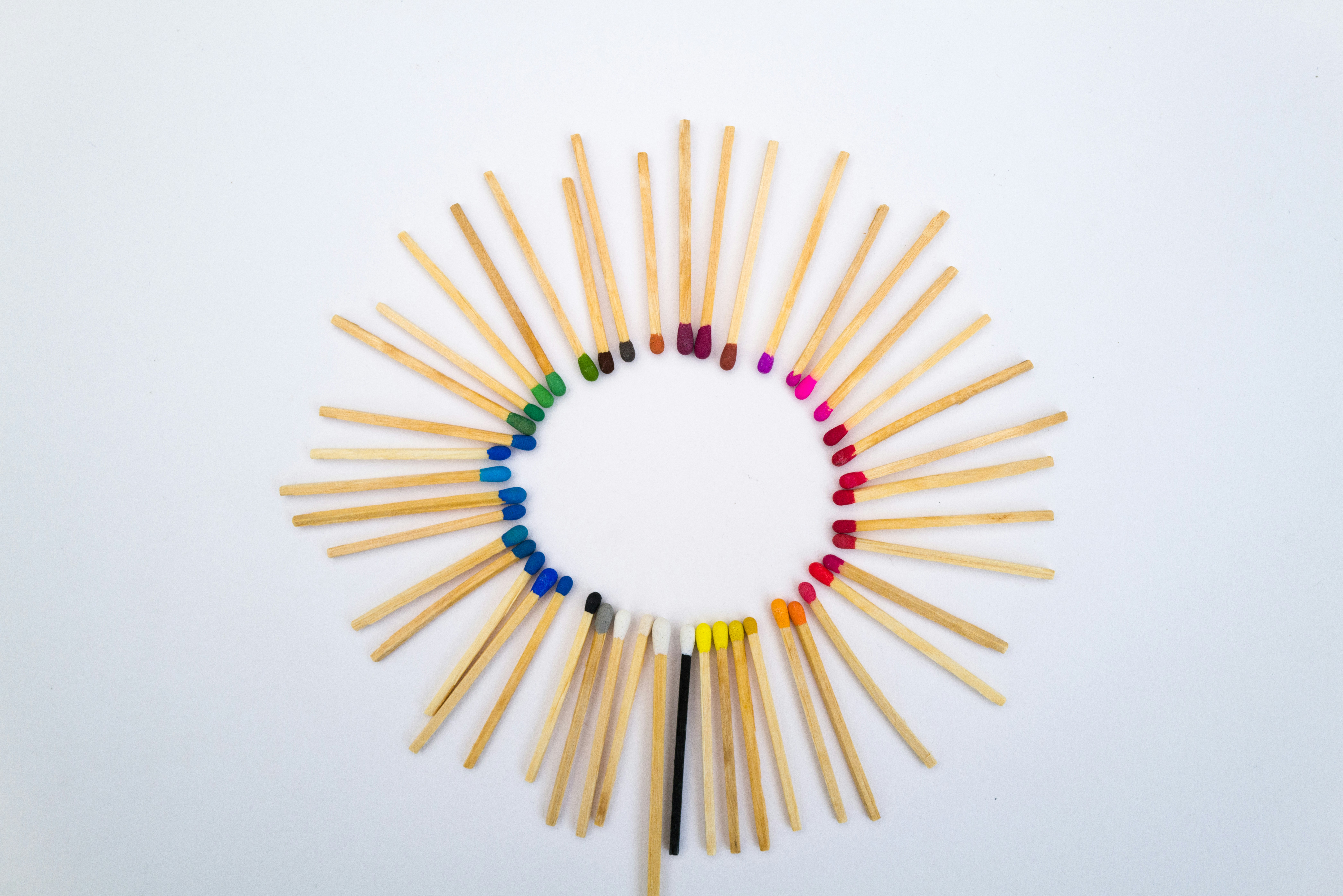
Variation is the mother of learning. We approach the same idea from different angles, the same topic in different ways to have a wide variety of options.
One of the first things I talk to clients who like to go to the gym about is having more variation. If you do push ups, vary where you put your hands. Otherwise only one pathway is being strengthened, and we still need a variety of pathways as adults. That way focal dystonia lies. That’s a condition where an overused neural pathway suddenly stops working. And its very distressing. I’ve met musicians who after 30 years could suddenly not bring the instrument to the lips and make sound.
Variation is a form of prevention, of widening of the viewpoint.
Many years ago I’d been asked to make leather mutes for violins, by some colleagues. I made a few, hand carving the leather, but I’d got stuck, as cutting leather by hand looks like toddler art, and I’d been asked to make some for an orchestra. And there was no way I could charge for it, no matter how carefully I tried to carve.
I then spontaneously went on a weekend shoemaking course. I encountered the tools that we cut shoe shapes out of (like a big cookie cutter) and realised that was what I needed to complete the leather mute project. Which at that point I was ready to give up on. And that’s how it works on a nervous system level too, when we add in variation.
Feldenkrais, no matter who it’s with, is not just about movement. It’s about learning to feel yourself, sense yourself. It’s how the nervous system works after all. We’re just tapping into the organic way we learn, and adding some variation, enrichment, and ways of seeing your own sensory-motor blind spots!